
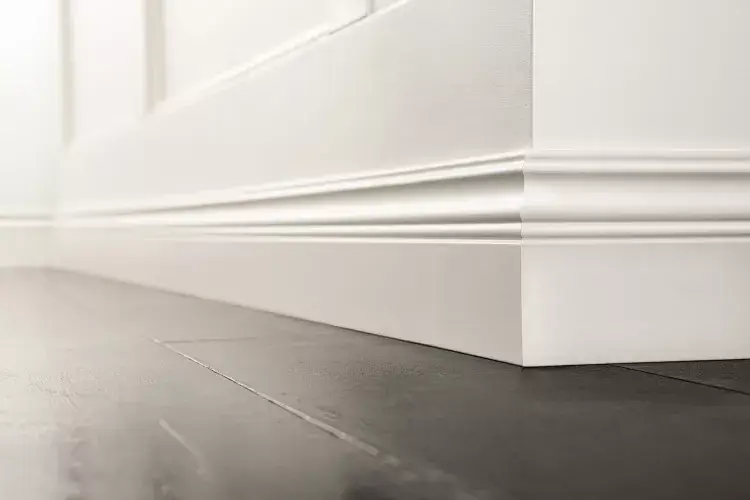
What Are They and Why Do They Matter?
These essential finishing pieces are often overlooked, but they play a critical role in both the function and appearance of your flooring. Baseboards, base shoes, and quarter rounds not only cover the necessary expansion space for wood, cork, and luxury vinyl flooring, but they also provide a clean, polished transition between your floors and walls.
Why Do Floors Need Expansion Space?
Once installed, solid wood, engineered wood, cork, and luxury vinyl floors naturally expand and contract in response to changes in temperature and humidity. Though this movement is small, it’s significant enough that if the floor were installed tightly against a wall, it could cause the flooring to buckle or even damage the wall. To prevent this, installers leave a small open space (for expansion) — usually between ¼” and ¾” wide — around the room’s perimeter. That’s where baseboards, base shoe, or quarter-round moldings come in: they cover that gap, hiding the subfloor and preventing dust and dirt from collecting in the area
Baseboards
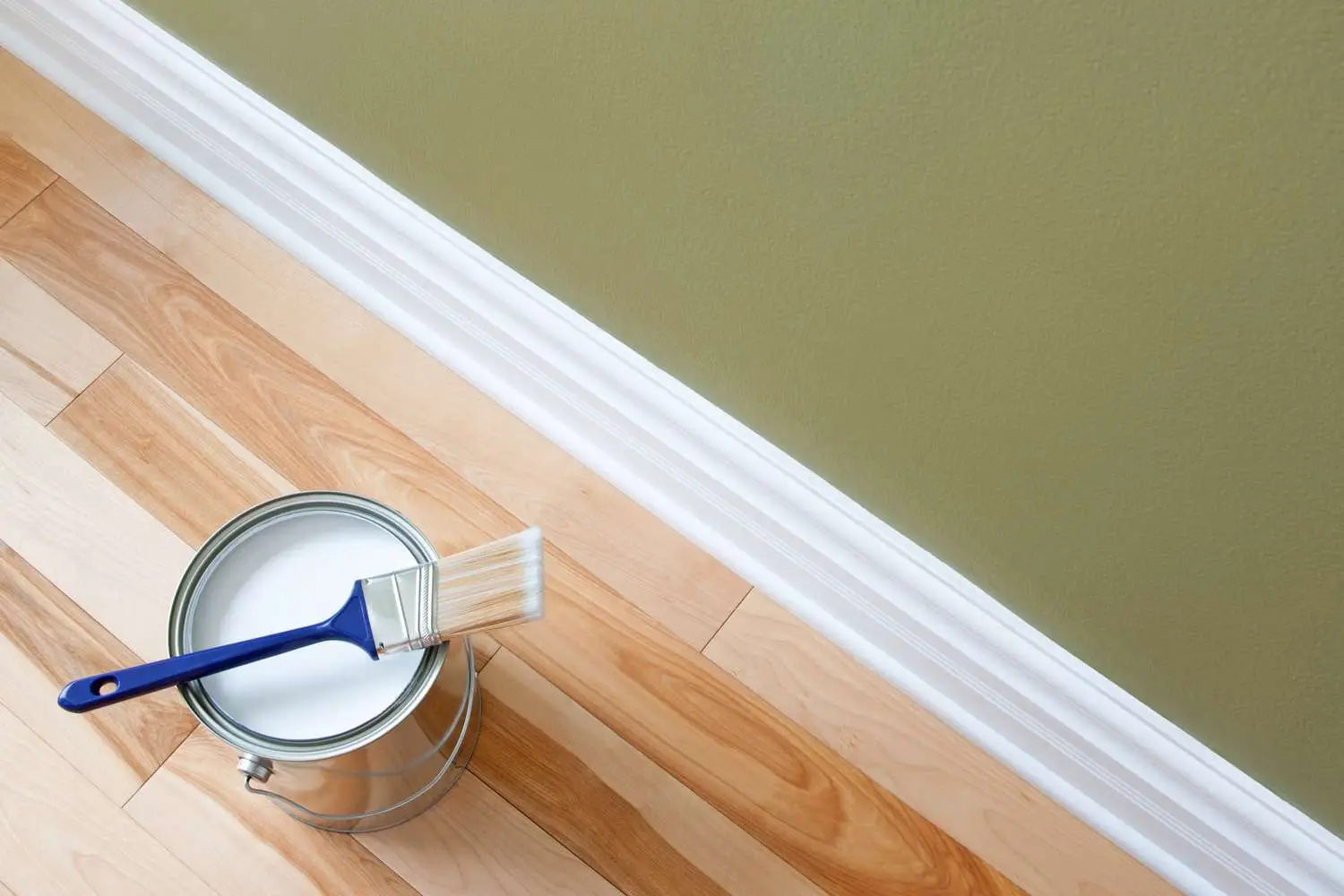
Baseboards are the finishing pieces installed along the bottom of walls where they meet the floor. The height typically ranges from 3¼” to 5¼”. Besides concealing expansion gaps, baseboards protect walls from scuffs, dirt, and damage caused by vacuum cleaners, furniture, or foot traffic. They come in countless styles — from modern and minimalist to classic and traditional — so you can match your design aesthetic easily.
Base Shoe and Quarter Round
If your existing baseboards are in decent shape, you may not need to replace them during a flooring upgrade. Instead, you can add base shoe or quarter-round molding to cover the expansion gap.
Both serve decorative and protective purposes, but they differ slightly in size and appearance:
Base Shoe – Typically ½” wide by ¾” tall
A base shoe is a slim, curved molding that sits along the bottom edge of the baseboard. It provides a sleek, refined finish and is ideal for covering minor imperfections where the floor meets the wall.
Quarter Round – Typically ¾” wide by ¾” tall
A quarter round has a more pronounced, fully rounded profile. Because it’s slightly larger, it can conceal a wider expansion space and provides a more substantial visual border.
The difference between the two? About a quarter of an inch — and a bit of style preference.
Should You Remove Baseboards When Installing New Flooring?
One key decision when installing new wood or luxury vinyl flooring is whether to remove your existing baseboards or leave them in place.
When to Remove and Replace Baseboards:
– The existing baseboard is damaged, outdated, or does not match your new décor.
– You want a clean, seamless look between the floor and the wall.
– You’d like to update the style, height, or material of your baseboards to complement your new floors.
When to Keep Existing Baseboards:
– Protecting Walls: In older homes, removing baseboards can damage plaster or delicate
drywall.
-Budget and Time: Keeping your baseboards saves time and money by avoiding removal and reinstallation costs. In this case, simply install a base shoe or quarter round that matches your trim to cover the expansion gap neatly.
The Takeaway
Baseboards, base shoes, and quarter rounds might seem like trivial details, but they’re essential to a professional-looking floor installation. They hide gaps, protect walls, and give your room a polished, finished appearance — proving that sometimes, the smallest elements make the biggest difference.