
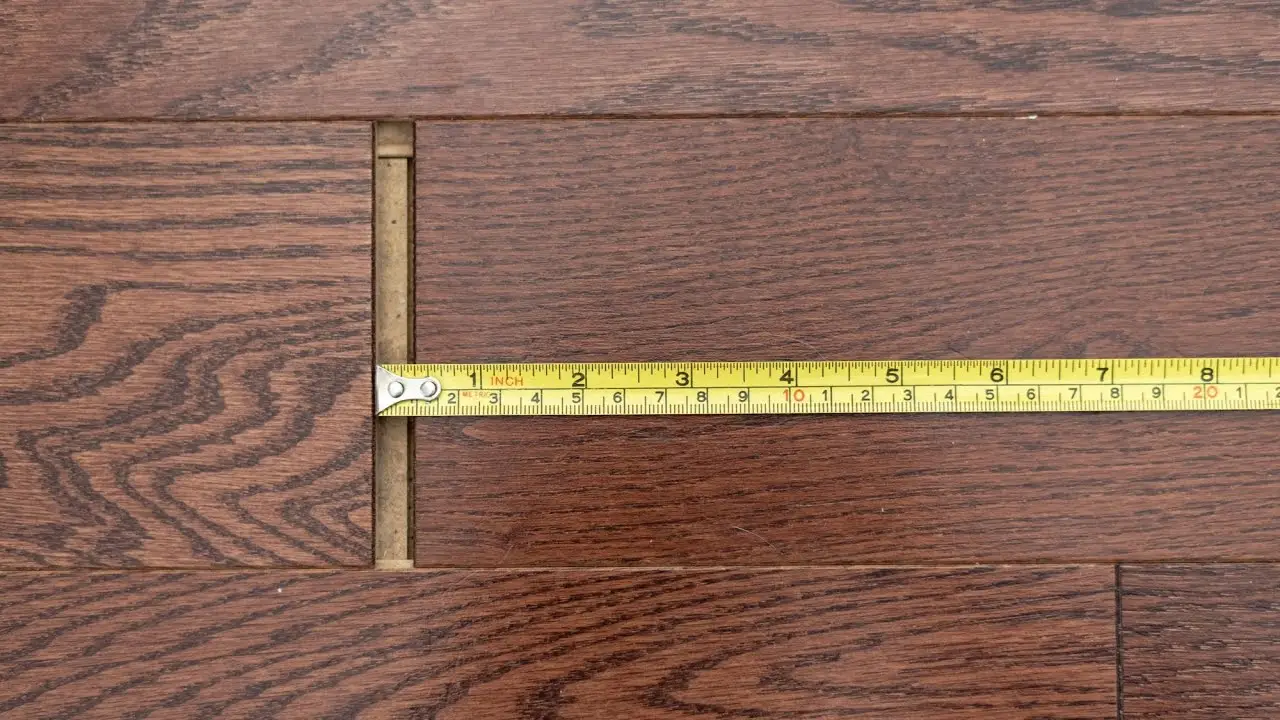
Luxury Vinyl Plank (LVP) flooring has become one of the most popular choices for homeowners due to its durability, waterproof construction, and authentic wood visuals. However, even the best installations can sometimes experience end joint separation, where the short edges of planks slightly pull apart. This guide will help you repair the problem, identify the cause, and prevent it from happening again. Keeping your floors beautiful and tight for years to come.
Choose the correct repair method:
A. Minor Gaps (Lock Still Intact). If your planks have simply separated but the locking system is still functional:
1. Warm the area gently using a hair dryer or heat gun (low setting).
2. Use a tapping block and rubber mallet to close the gap, working along the short end joint.
3. Apply painter’s tape to hold the planks together until the vinyl cools.
4. Check for proper expansion gaps around walls and transitions.
Pro Tip: Heat and gentle tapping are often enough to re-engage a floating LVP’s locking mechanism without removing any planks.
B. Moderate Gaps (Lock Slightly Damaged). If the locking edge no longer holds securely:
1. Apply a small bead of LVP repair adhesive (such as DAP 00141 or Taylor Resolute) into the gap.
2. Use a pull bar or suction cup to press the planks together tightly.
3. Tape the joint securely for 24 hours to allow the adhesive to cure. This creates a discreet, durable repair without lifting the floor.
C. Severe Separation (Broken Lock or Lifted Plank). If the joint won’t close or the click mechanism has failed completely:
1. Remove baseboards and unlock a few planks until you reach the damaged section.
2. Confirm the subfloor is flat (within 3/16″ over 10 ft) and that all sides have ¼”–½” expansion gaps.
3. Replace or reinstall the affected plank properly. If gaps keep reappearing, the issue is usually movement, extreme temperature change, or a missing transition piece on long runs.
Prevent future joint separation by identifying the cause. It’s important to understand why your LVP flooring separated. Common causes include:
⦁ Temperature swings: Large fluctuations can cause vinyl planks to expand or contract, especially if the floor wasn’t acclimated properly or lacks expansion gaps.
⦁ Improper locking during installation: A plank that wasn’t fully clicked together may slowly shift apart with use.
⦁ Uneven subfloor: Deflection or soft spots allow the planks to flex, causing joints to open over time.
⦁ Moisture or debris: Dust or humidity under the flooring can interfere with the locking system.
Maintenance
⦁ Keep indoor temperature between 65–85°F year-round.
⦁ Maintain relative humidity between 35–55%.
⦁ Add transition moldings for long runs over 40 feet.
⦁ Ensure the subfloor is flat, clean, and dry before installation.
⦁ Use felt pads under furniture and avoid dragging heavy items across planks.
Proper environmental control and installation technique are key to a stable, long-lasting LVP floor.
Final Thoughts
End joint separation in luxury vinyl plank flooring is a common but fixable issue. Whether your floor needs a quick tap-back, adhesive repair, or a full plank replacement, addressing the root cause will prevent future problems. For product-specific guidance whether your flooring is SPC, WPC, or glue-down. Consult an NWFA-certified professional or contact Unique Wood Floors for personalized advice.