
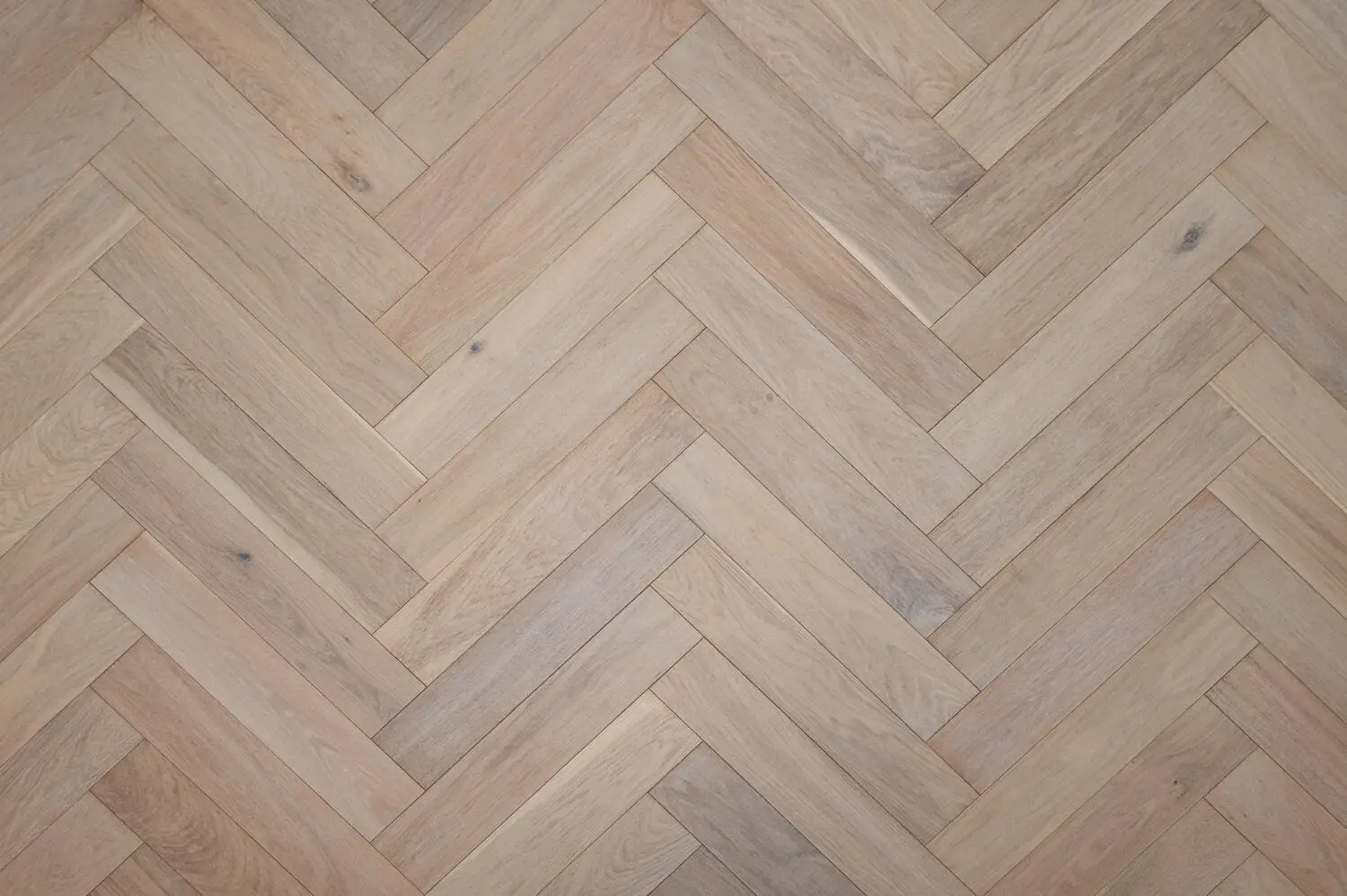
Flooring plays a defining role in shaping the aesthetic and atmosphere of an interior space. Each material introduces its own textures, colors, and character, influencing how a room feels and functions. Hardwood flooring, in particular, brings warmth, elegance, and a natural sense of biophilic sophistication. Beyond choosing the right material, the pattern in which flooring is installed can dramatically enhance a room’s visual identity. Among the most timeless and versatile options are the Herringbone and Chevron patterns. Each of these offer its own charm, history, and design impact. Below, we explore their origins, defining features, and the visual benefits they bring to today’s interiors.
Herringbone Pattern & History
Recognized by its distinctive zigzag layout, the Herringbone pattern has a long and storied past. Its origins trace back to the Roman Empire, where the interlocking arrangement was first used in road construction. This clever design helped absorb impact and distribute weight, resulting in remarkably durable roadways. Centuries later, during the Renaissance, the pattern transitioned into interior design. Its classical geometry and refined symmetry made it a symbol of sophistication, contributing to its widespread adoption in grand European interiors.
To create a Herringbone layout, rectangular planks are installed at a 45‑degree angle, forming a repeating V-shaped pattern. Achieving the proper look requires a proportional relationship between the plank’s length and width. This ratio ensures visual balance, allowing the pattern to maintain its harmonious and rhythmic appearance.
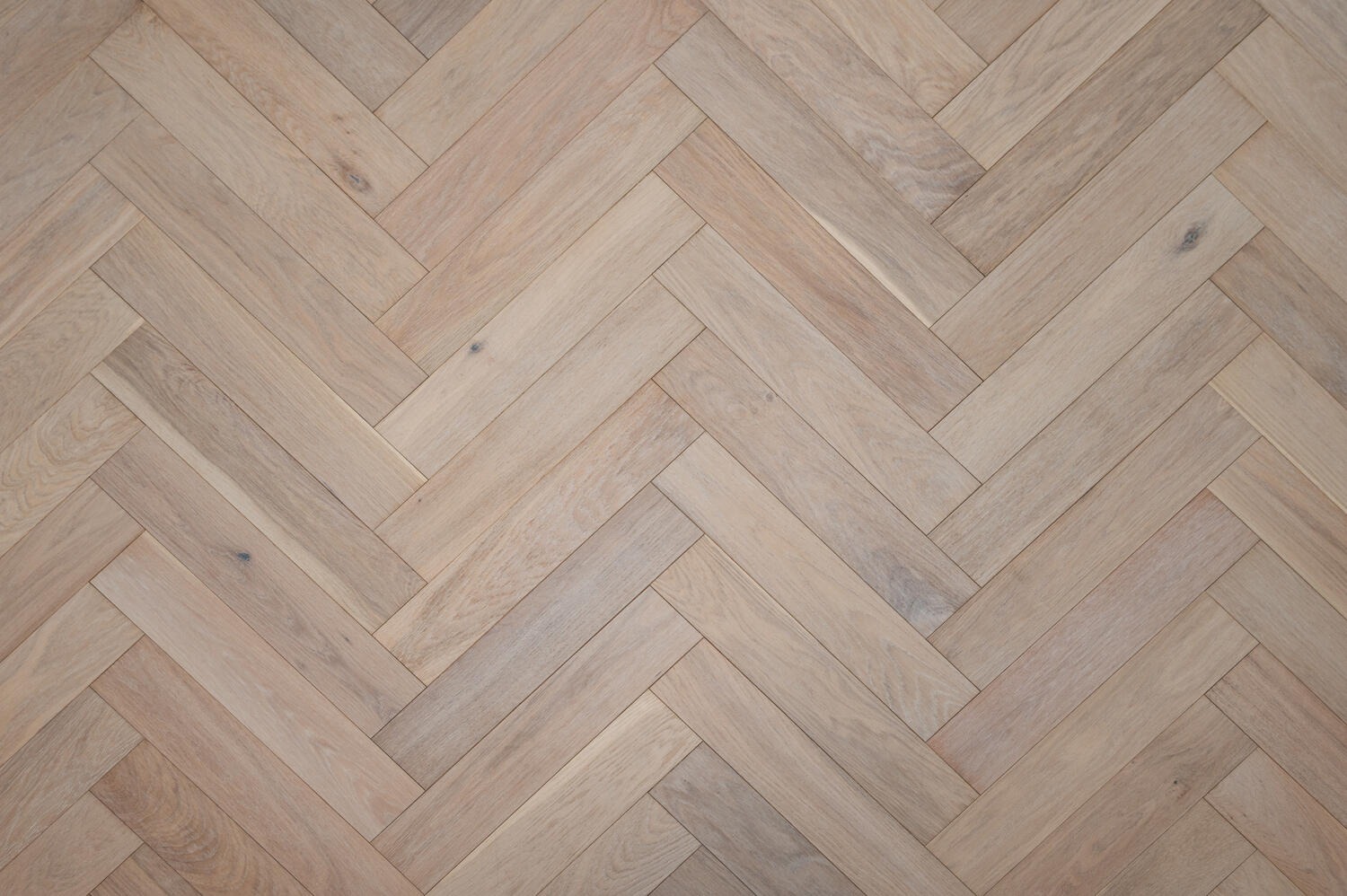
One of Herringbone’s greatest strengths is its ability to visually expand a room. The angled lines naturally guide the eye outward, creating a sense of movement and spaciousness. When paired with the right plank proportions, the pattern becomes both striking and elegant. These patterns will enhance the overall aesthetic of any interior space.
Chevron Pattern & History
Often confused with Herringbone, the Chevron pattern is a close relative that distinguishes itself through its interlocked, V-shaped design. To achieve this look, the ends of each plank are cut at a precise angle so they meet in a seamless, arrow-like point. This creates a clean, continuous pattern that conveys dynamic movement. The Chevron layout traces its roots to ancient Greece, where its geometric precision showcased the Greeks’ mastery of design and contributed to the structural integrity of significant buildings such as temples and palaces.
What sets Chevron apart is its ability to introduce a sense of order and directionality to a space. Its forward‑pointing geometry naturally leads the eye, making it especially effective in long hallways or narrow rooms. The pattern’s symmetry and precision reflect the Greeks’ philosophical and mathematical ideals of harmony and balance. Over the centuries, Chevron has evolved into a hallmark of elegance and modernity, adapting seamlessly to both classic and contemporary interiors.
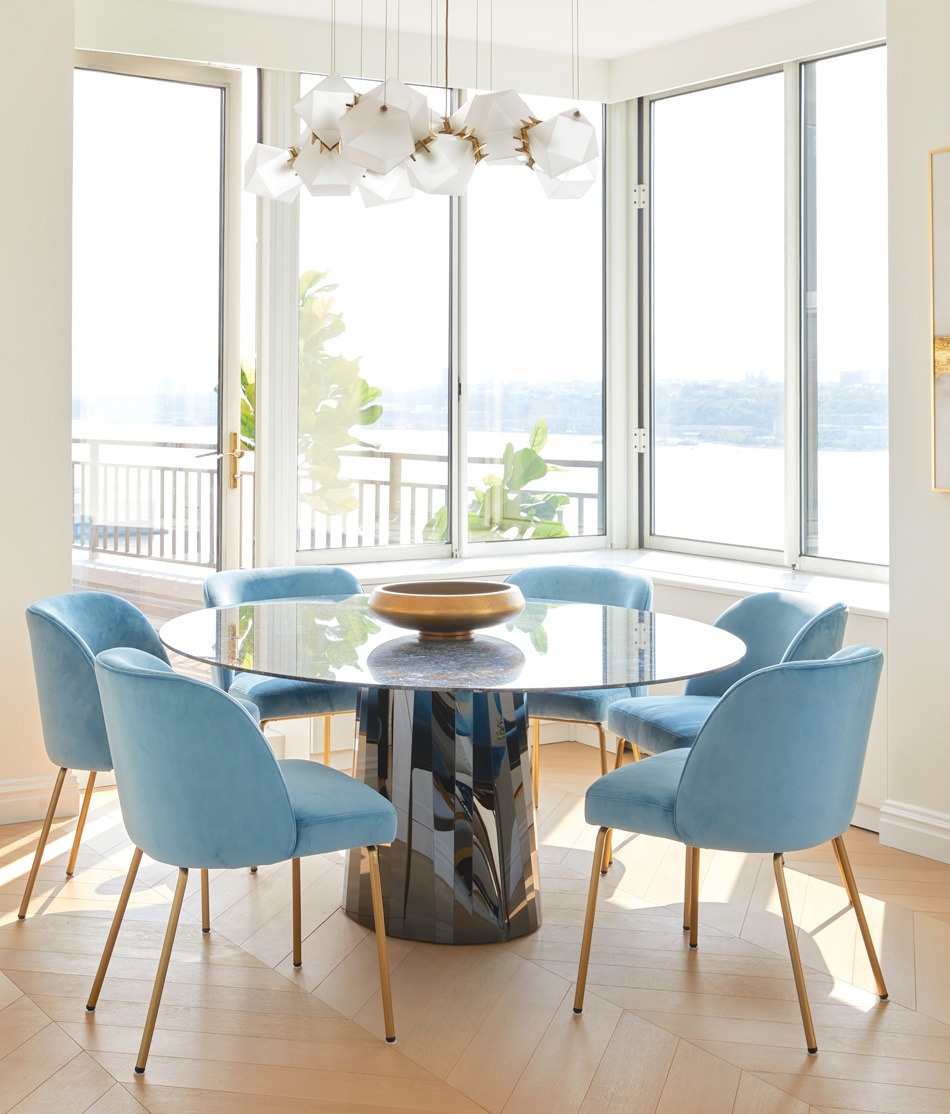
Herringbone and Chevron may be rooted in centuries‑old craftsmanship, but their impact on today’s interiors is anything but nostalgic. These patterns offer a rare blend of history, geometry, and visual movement These qualities allow them to elevate both traditional and contemporary spaces with ease. Whether you’re drawn to the rhythmic symmetry of Herringbone or the clean directionality of Chevron, each pattern brings a level of refinement that transforms flooring into a true design feature.
As homeowners and designers continue to embrace character‑rich materials and thoughtful detailing, these classic patterns prove that great design never truly fades. Great design evolves, adapts, and continues to inspire new generations of spaces. Contact any of our Twin Cities showrooms to learn how we can incorporate herringbone or chevron flooring into your next project today!